Here’s What Happens When Philanthropy, State Government, and Local Nonprofits Work Together
As queer people navigate a world that increasingly feels less safe than it did just a few years ago, I’ve also seen truly meaningful progress made for the LBTQ community in Northern California over the last two years.
I’ve seen justice system-impacted youth build their feelings of safety, belonging, and confidence after participating in queer and trans-affirming programming. I’ve seen Translatinas share their personal experiences through storytelling to encourage their peers to engage in the community rather than hide in fear. I’ve seen LGBTQ elders come out of isolation and connect with each other through peer support and tailored case management. I’ve seen a lot more urgent needs actually met thanks to a crucial partnership between Horizons Foundation, the California LGBTQ Health Equity Initiative, and our local grantee partners. This is what can happen when you move beyond good intentions and leverage systems that truly work for people.
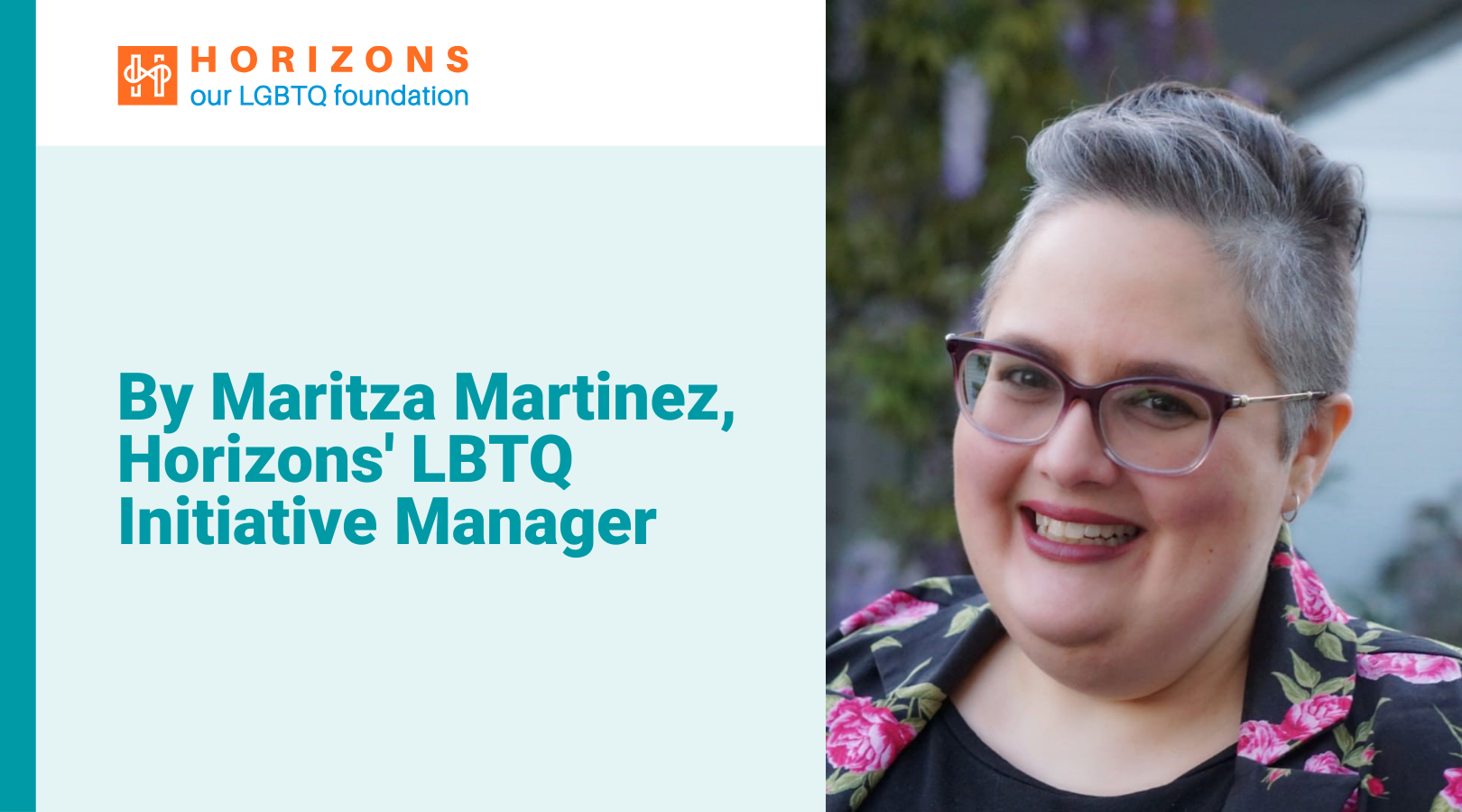
I am proud to have been part of Horizons' critical role in resourcing close to two million dollars over two years to non-profits working to deliver critical gender-affirming care to LBTQ people. Horizons served as the prime contractor, and I acted as a bridge between the state and grassroots care providers. The trust that both the state of California and our grantee partners placed in us helped streamline public funding for community-based care, allowing organizations to focus on what they do best: sustaining our community.
Throughout the life of the contract, my role extended beyond contract management to providing support, like technical assistance, frequent check-ins, and opportunities for learning and collaboration. When state requirements didn’t align with on-the-ground realities, we helped partners problem-solve so programs could continue without compromising care or safety. This behind-the-scenes work doesn’t often get attention, but it is a critical way community foundations can ensure services continue.
And it works! Our partner organizations—Young Women’s Freedom Center, Lyon-Martin Community Health Services, Gender Health Center, El/La Para TransLatinas, Pacific Center for Human Growth, and San Francisco Community Health Center—expanded services, reduced wait times for crisis counseling, and reached people who are too often left behind. One example that stands out is Lyon-Martin's Body Sovereignty Program, a trauma-informed outpatient program for LGBTQ individuals struggling with food and body image. From training their full staff to challenge eating-disorder myths to explicitly centering health behaviors rather than weight, the program intentionally addresses the intersecting impacts of body dysmorphia, fatphobia, gender dysphoria, and racism that affect many in our LGBTQ community. Each time I checked in with Lyon-Martin staff, I was met with valuable insight into their work and a deep, genuine connection to the community.
As the contract comes to an end, I am focused on what made this partnership successful and what is at risk if the infrastructure that supported it is not sustained. The need is clear for durable structures that ensure resources reach communities in ways that are flexible and responsive to our rapidly changing realities, especially as resources directed toward LGBTQ communities continue to shrink. Horizons has demonstrated what this can look like. We helped position and strengthen community-based organizations to access limited government funding opportunities when they were available.
I encourage my peers in philanthropy, and community foundations in particular, to continue bridging the gap between local organizations and government investments both by sustaining supportive infrastructure and by ensuring organizations are ready to compete for and manage public funds as opportunities arise. This is what community foundations do best—and our communities are all the better for it.